
 A beginner-friendly guide to composting at home, from balancing greens and browns to troubleshooting common problems.
The First Asparagus: A Spring Ritual Worth Waiting For
There is a moment in early spring, usually around the time the daffodils are just starting to fade, when the first asparagus spears push up through the soil. If you grow your own, you know the feeling: you check the bed every morning, and one day there they are, tight and purple-tipped, like something out of a fairy tale. If you do not grow your own, you know the feeling from the market, when the bundles suddenly appear and the price drops from impossible to merely expensive. Either way, asparagus season is a brief and glorious window, and it deserves to be treated that way.
The first thing to understand about asparagus is that it does not need much. This is not a vegetable that benefits from a complicated marinade or a heavy sauce. Its flavor is grassy, slightly sweet, and delicate, and the best thing you can do is get out of its way. That said, there are a few small techniques that make a real difference, and they are worth learning before the season passes you by.
Choosing and Prepping the Spears
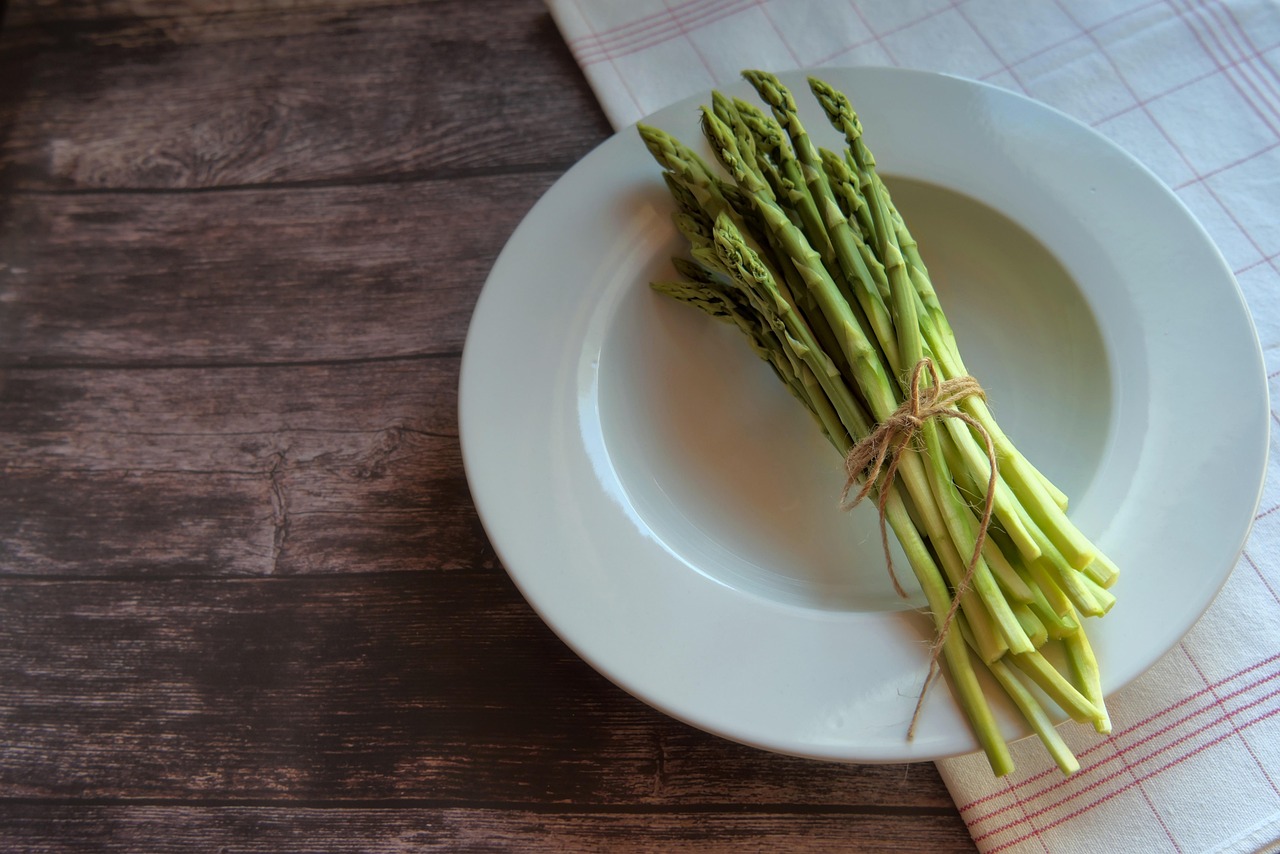
Look for spears that are firm, bright, and have tightly closed tips. If the tips are opening up or the stalks look wrinkled, they are past their prime. Thickness is a matter of preference, not quality. Thin spears cook faster and are lovely roasted until crisp; thick spears are meatier and hold up beautifully on the grill. Both are good, and both are best when fresh.
To prep, hold each spear near the bottom and bend it. It will snap naturally at the point where the woody, fibrous part ends and the tender part begins. Some people insist on peeling the lower stalks, and for very thick spears that is not a bad idea, but for most asparagus it is unnecessary. Rinse them well, since grit can hide in the tips, and pat them dry so they roast rather than steam.
Three Simple Ways to Cook the Season
Roasting is my default. Spread the spears on a sheet pan, toss with olive oil, salt, and pepper, and roast at 425 degrees for about ten to twelve minutes, until the tips are crisp and the stalks are tender. A squeeze of lemon at the end is all they need. If you want to gild the lily, grate a little Parmesan over the top in the last two minutes, or scatter toasted breadcrumbs for crunch.
Grilling is the next step up, and it is perfect for a spring evening when you want to be outside. Toss the spears with oil and salt, then lay them across the grill grates, perpendicular to the bars so they do not fall through. They will cook in just a few minutes, and the char adds a smokiness that is hard to beat. Serve them with a drizzle of good olive oil and a shower of chopped herbs.
And then there is the simplest method of all: blanching and dressing. Bring a pot of well-salted water to a boil, drop in the spears for two to three minutes, then transfer them to ice water to stop the cooking. Drain, pat dry, and dress with a vinaigrette made from lemon juice, olive oil, a little Dijon, and a minced shallot. This is the version I make when I want the asparagus to taste most like itself, and it is the one I bring to spring potlucks, where it disappears before anything else on the table.
Asparagus season lasts only a few weeks, so my advice is to eat it as often as you can while it is here. Buy two bundles instead of one. Roast a pan for dinner and another to eat cold the next day. The rest of the year has its own pleasures, but none of them taste quite like this. Spring is short. Eat the asparagus.