
 A simple guide to growing tender spring greens and turning them into a bright, lemony salad that celebrates the season's first harvest.
Root Cellar Suppers: Hearty Winter Stews from Stored Vegetables
There is a particular kind of satisfaction that comes from cooking a meal entirely from what you stored away months ago. By late January, the fresh greens are a distant memory, but the root cellar, garage shelf, or back corner of the pantry is still holding treasure: squash with tough skins, onions beginning to sprout, carrots gone slightly bendy, and a basket of potatoes that seem to multiply on their own. This is the season for the slow pot, the long simmer, and the kind of stew that makes the whole house smell like it is taking care of you.
The first rule of a good winter stew is to stop thinking of storage vegetables as second-best. They are not sad leftovers; they are the ingredients that made winter survivable for generations before us. A carrot that has lost a little snap is actually sweeter and more concentrated, perfect for roasting before it goes into the pot. A squash that has been curing since October has developed a depth of flavor no supermarket version can match. Treat them with respect and they will reward you.
Building the Base: Layering Flavor Without Fresh Herbs
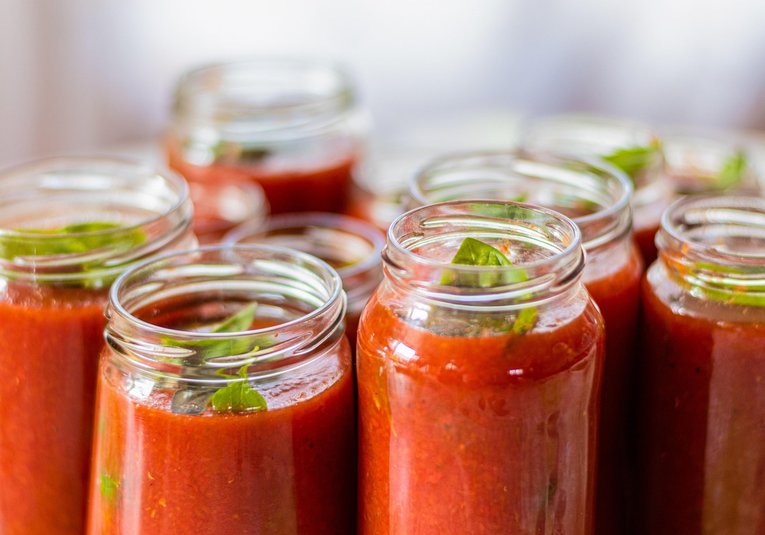
Start with fat and aromatics. A generous glug of olive oil or a knob of butter in a heavy Dutch oven, then onions and leeks cooked low and slow until they are jammy and golden, not just translucent. This is where patience pays off. Add garlic near the end so it does not burn, then a spoonful of tomato paste and let it darken against the hot pan for a minute or two. If you have a jar of your own canned tomatoes, this is the moment for a cup or two, crushed by hand.
Next comes the liquid. A good vegetable or chicken stock, homemade if you have it, plus a splash of something acidic, like apple cider vinegar or a bit of dry white wine, to wake everything up. Dried herbs are your friends now: thyme, bay, rosemary, maybe a pinch of smoked paprika for warmth. If you kept a ristra of dried chiles hanging in the kitchen, crumble one in. The goal is a broth that tastes like it has been simmering all day, even if you only started an hour ago.
The Vegetables and the Long Simmer
Now add your roots and tubers in order of how long they need. Cubed winter squash and potatoes first, then carrots, parsnips, and rutabaga, and finally any hardy greens you managed to keep going, like kale or collards, added in the last twenty minutes. If you have a jar of dried beans you soaked overnight, they belong here too, though you will want to cook them separately first if they are older and stubborn. Let everything come to a gentle bubble, then turn the heat down and walk away. Stir occasionally, taste for salt, and let the stew do its quiet work.
Finish with something bright, because winter cooking can tend toward the heavy. A squeeze of lemon, a spoonful of vinegar, a handful of chopped parsley from a windowsill pot, or a sprinkle of grated sharp cheese. Serve it with a thick slice of toasted bread, and if you are feeling indulgent, a fried egg on top. This is not a recipe so much as a method, and it changes every time depending on what the cellar gives you. That is the whole point. Winter is not a season of scarcity if you know where to look, and a bowl of this stew is proof that the garden is still feeding you, long after the last tomato came in.