
 A simple guide to growing tender spring greens and turning them into a bright, lemony salad that celebrates the season's first harvest.
Stone Fruit Season: A Simple Guide to Peaches, Plums, and Apricots
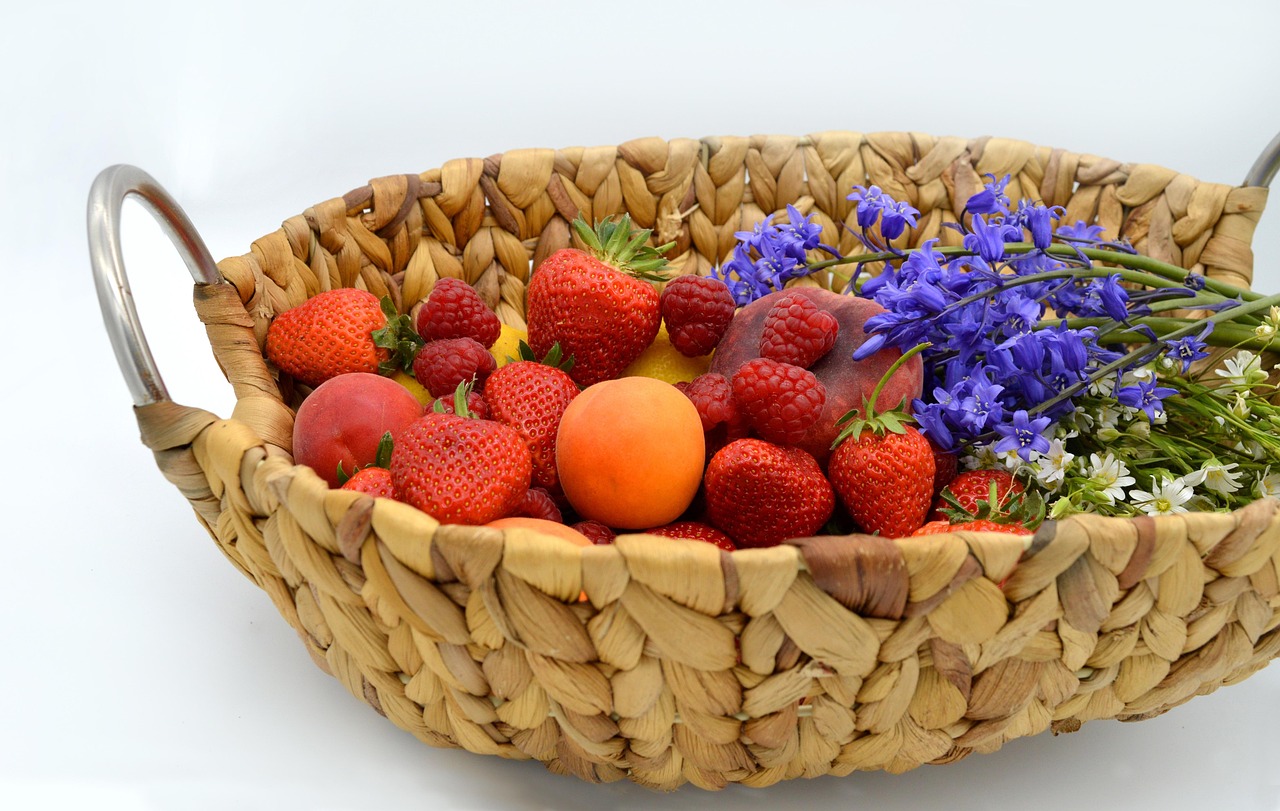
Stone fruit season is a brief and generous window. For a few weeks in summer, peaches, plums, apricots, and nectarines arrive in such abundance that even the most disciplined cook starts buying them by the box. And that is exactly what you should do. Stone fruit is one of the few things in the kitchen that is genuinely best when it is almost too ripe, the point where the juice runs down your wrist and the flavor is so concentrated it barely needs sugar. The trick is knowing how to catch that moment and what to do with it.
The first skill is choosing. A peach or plum should feel heavy for its size, which means it is full of juice. It should have a slight give when you press near the stem, not rock hard, not mushy. And it should smell like what it is. A peach that does not smell like a peach will not taste like one either. If you can, buy from a farmer who lets you sample, because no amount of kitchen skill can rescue fruit that was picked too early.
Ripening, Storing, and the Countertop Rule
If your fruit is a little firm, leave it on the counter for a day or two. Stone fruit ripens from the inside out, so a peach that feels hard on the outside may already be softening near the pit. Check daily by pressing gently near the stem. Once it gives, it is ready. If you need to slow things down, move it to the refrigerator, but know that cold can dull the flavor and turn the flesh mealy. Better to eat it than to store it too long.
Do not wash fruit until you are ready to use it. The bloom, that soft powdery coating on a peach or plum, is a natural protector, and washing it off early invites mold. When you are ready, rinse under cool water and rub gently. For peaches, if you want to peel them, drop them in boiling water for thirty seconds, then into ice water. The skins will slip right off. For plums and apricots, the skin is usually tender enough to leave on, and it adds color and a bit of tartness.
From Fresh Eating to the Oven and the Freezer
The best way to eat a perfectly ripe peach is standing over the sink, but that is not a recipe. For a slightly more civilized approach, slice them into a bowl with a spoonful of honey, a squeeze of lemon, and a few torn mint leaves. Let them sit for ten minutes, and the juices will make their own sauce. Serve with yogurt or vanilla ice cream, and you have dessert with almost no effort.
When you have more than you can eat fresh, the oven is your friend. Halve and pit the fruit, toss with a little sugar and a pinch of salt, and roast at 400 degrees until the edges caramelize and the juices bubble. Roasted stone fruit is wonderful on toast with ricotta, spooned over oatmeal, or layered into a simple cake. It also freezes beautifully. Spread the roasted halves on a sheet pan, freeze until solid, then transfer to bags. In January, a handful of these will taste like a small piece of summer.
For plums, which can be more tart, a quick stovetop compote is the move. Simmer pitted and sliced plums with a little sugar, a splash of water, and a strip of lemon zest until they collapse into a jammy sauce. Spoon it over pancakes, swirl it into yogurt, or serve it alongside roasted pork or chicken. Apricots are lovely halved and grilled, just until they char, then drizzled with honey and sprinkled with chopped pistachios. However you eat them, eat them now. Stone fruit season does not wait, and neither should you.