
 A sunny kitchen window and a few well-chosen pots can keep you in fresh herbs all through the coldest months.

Windowsill Herbs in Winter: Keeping Flavor Alive When the Garden Sleeps
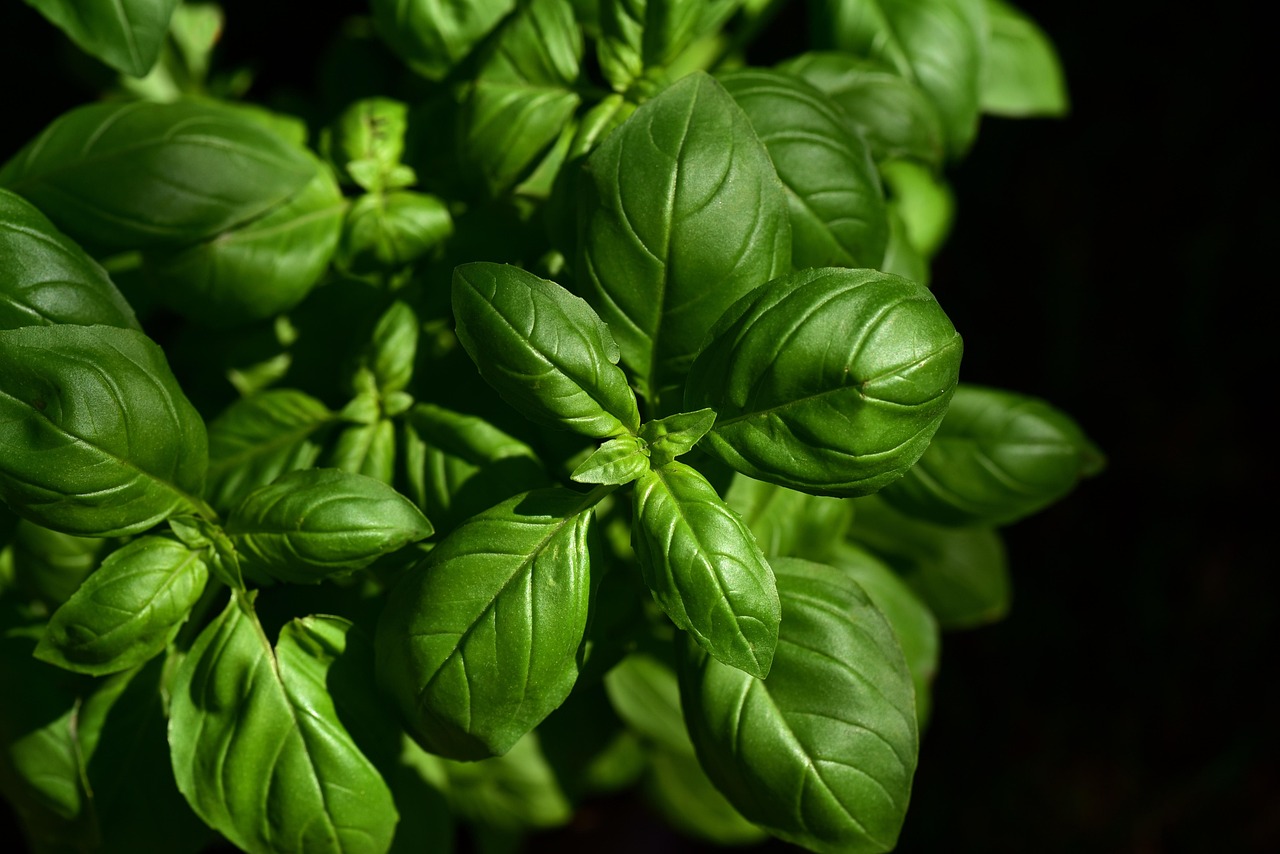
Every January, I go through the same ritual. I stand at the kitchen window, look out at the frozen beds, and then look down at the sad little pot of basil I dragged inside in September, now leggy and pale. It is a familiar defeat. But over the years I have learned that winter herbs are not impossible; they just need a different approach than the lush summer garden. The goal is not abundance. The goal is a snip here, a leaf there, enough to make a pot of beans taste like it came from somewhere warmer.
The first thing to accept is that not all herbs want to come inside. Basil, for all its summer glory, hates the dry, dim conditions of a heated house and will sulk no matter what you do. I have stopped fighting it. Instead, I focus on the herbs that actually thrive on a windowsill: parsley, chives, mint, thyme, oregano, and rosemary. These are the workhorses of the winter kitchen, and they are far more forgiving.
Choosing Pots, Soil, and the Right Window
Drainage matters more than you think. A pot without a hole is a slow death sentence, especially in winter when evaporation is slow and it is easy to overwater. I like terracotta for its breathability, but any pot with a saucer and a drainage hole will do. Use a light, fast-draining potting mix, not garden soil, which compacts and turns to brick indoors. A handful of perlite mixed in helps keep roots happy.
As for the window, south-facing is ideal, but east or west will work if you rotate the pots every few days so they do not lean permanently toward the light. If your windows are drafty, set the pots on a small trivet or a folded towel to keep roots from chilling. And if you have only a north window, consider a small grow light. It does not need to be fancy. A simple LED panel on a timer for twelve hours a day will make an enormous difference, especially in the darkest weeks of the year.
Watering, Feeding, and the Art of the Gentle Harvest
Winter watering is a trap. The air is dry, so the soil surface dries out, but the lower layers stay wet for much longer than they would in summer. I check by sticking a finger in up to the second knuckle. If it is damp, I wait. If it is dry, I water slowly until a little runs out the bottom, then empty the saucer. Overwatering is the number one killer of indoor herbs, followed closely by dry indoor air. A small humidifier nearby, or a tray of pebbles with water underneath the pots, helps keep leaves from crisping.
Feeding should be light. A diluted liquid fertilizer once a month is plenty, since plants are growing slowly and cannot use much. More important is harvesting. Do not strip a plant bare. Take a few outer leaves from parsley, snip chives from the outside of the clump, and pinch mint and thyme tips to encourage bushiness. This gentle, regular cutting actually keeps plants healthier than leaving them alone.
There is something quietly restorative about stepping to the window with a pair of scissors while the pot on the stove is bubbling. A few snips of parsley, a pinch of thyme, and suddenly dinner tastes like it came from the garden, even when the garden is under a foot of snow. Winter herbs will never give you the armfuls of July, but they give you something else: a small, daily reminder that green things are still growing, and so are you.