
 A beginner-friendly guide to composting at home, from balancing greens and browns to troubleshooting common problems.
The Magic of Compost: Turning Kitchen Scraps into Garden Gold
If there is one habit that has transformed my garden more than any other, it's composting. It's a simple, almost magical process: kitchen scraps and yard waste go in, and a rich, dark, crumbly material comes out. That material, finished compost, feeds the soil, improves its structure, and helps plants grow stronger and more resilient. Best of all, it keeps a surprising amount of waste out of the landfill, where it would otherwise produce methane, a potent greenhouse gas.
Getting started with composting is easier than many people think. You don't need a fancy bin or a degree in soil science. You just need a basic understanding of what compost needs to thrive: a balance of materials, moisture, air, and time.
The Ingredients: Greens and Browns
Compostable materials fall into two broad categories: greens and browns. Greens are nitrogen-rich and include things like fruit and vegetable scraps, coffee grounds, tea leaves, grass clippings, and fresh plant trimmings. Browns are carbon-rich and include dry leaves, straw, shredded paper, cardboard, and wood chips. The ideal ratio is roughly two to three parts browns to one part greens by volume. If your pile smells sour or slimy, you probably need more browns. If it's too dry and not breaking down, add more greens and a little water.
Avoid adding meat, dairy, oily foods, and pet waste to a home compost pile, as these can attract pests and create odors. Also skip diseased plants and weeds that have gone to seed, unless your pile gets hot enough to kill them, which is difficult to guarantee in a small backyard system.
Building and Maintaining the Pile
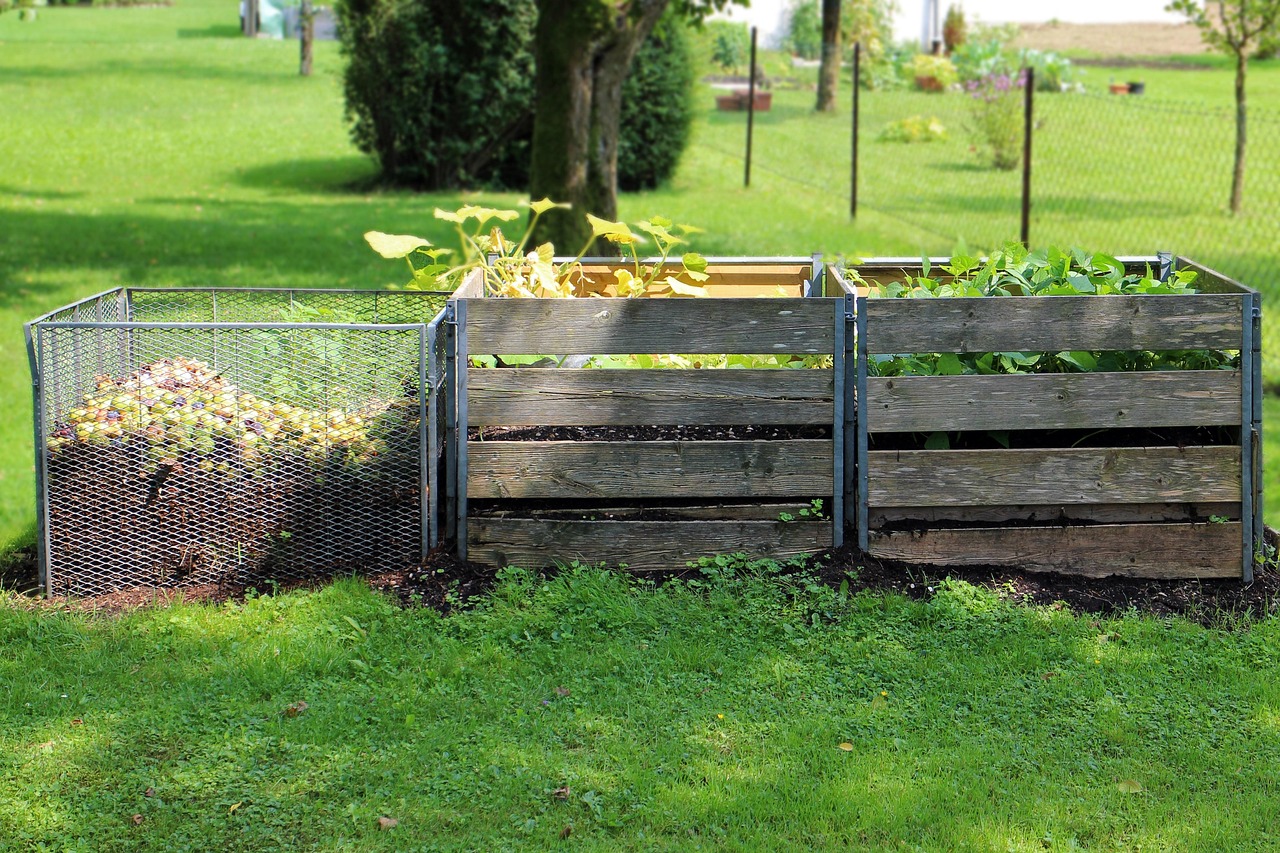
Choose a spot for your compost bin or pile that's convenient to access and has good drainage. A simple wire bin or a repurposed pallet bin works well for most home gardeners. Start by layering browns and greens, adding a shovelful of finished compost or garden soil every so often to introduce beneficial microorganisms. Chop larger pieces into smaller ones to speed up decomposition.
Turn the pile every week or two with a pitchfork to add oxygen, which helps the microbes work faster. If you want a hot pile that breaks down quickly, turn it more often and keep it as moist as a wrung-out sponge. A cold pile is slower but still works; it just takes more patience. In most climates, you can expect finished compost in anywhere from two months to a year, depending on the method and the season.
Troubleshooting is usually straightforward. Fruit flies? Bury food scraps in the center of the pile. Rodents? Remove tempting items and consider a enclosed bin. Ammonia smell? Add more browns immediately. Over time, you'll develop a feel for what your pile needs.
Using compost is just as simple. Spread a layer on your garden beds in spring or fall, mix it into potting soil, or make compost tea by steeping finished compost in water. Your plants will thank you with healthier growth and better harvests. And you'll have the satisfaction of knowing that your kitchen scraps are doing something far more useful than rotting in a landfill.