
 A sunny kitchen window and a few well-chosen pots can keep you in fresh herbs all through the coldest months.
Preserving the Summer Bounty: Small-Batch Tomato Sauce for Cold Winter Nights
By late August, the tomato plants in my garden are usually threatening to take over the world. There are only so many caprese salads and BLTs a person can eat, and that's where preserving comes in. Making a small batch of tomato sauce is one of the most rewarding ways to extend the season. It doesn't require a pressure canner or a commercial kitchen, just a few hours, a heavy pot, and a willingness to let the sauce reduce slowly until it tastes like pure summer.
I prefer to use a mix of paste tomatoes like Roma or San Marzano and a few slicing tomatoes for sweetness. The paste tomatoes give the sauce body, while the slicers add a brighter, more complex flavor. If you don't grow your own, a farmers market haul at peak season works beautifully.
The Simple Method
Start by washing and roughly chopping about eight pounds of tomatoes. There's no need to peel them if you're going to run the finished sauce through a food mill, which is my preferred approach for a rustic texture. In a large, heavy-bottomed pot, warm a quarter cup of olive oil and gently sauté a diced onion and several cloves of minced garlic until soft and fragrant. Add the tomatoes, a few sprigs of fresh basil, a teaspoon of salt, and a pinch of red pepper flakes if you like a little heat.
Bring the mixture to a simmer, then reduce the heat and let it cook down for an hour or two, stirring occasionally. The sauce is ready when it has thickened and the flavors have melded. At this point, remove the basil stems and pass the sauce through a food mill or blend it with an immersion blender if you prefer a smoother texture. Taste and adjust the salt.
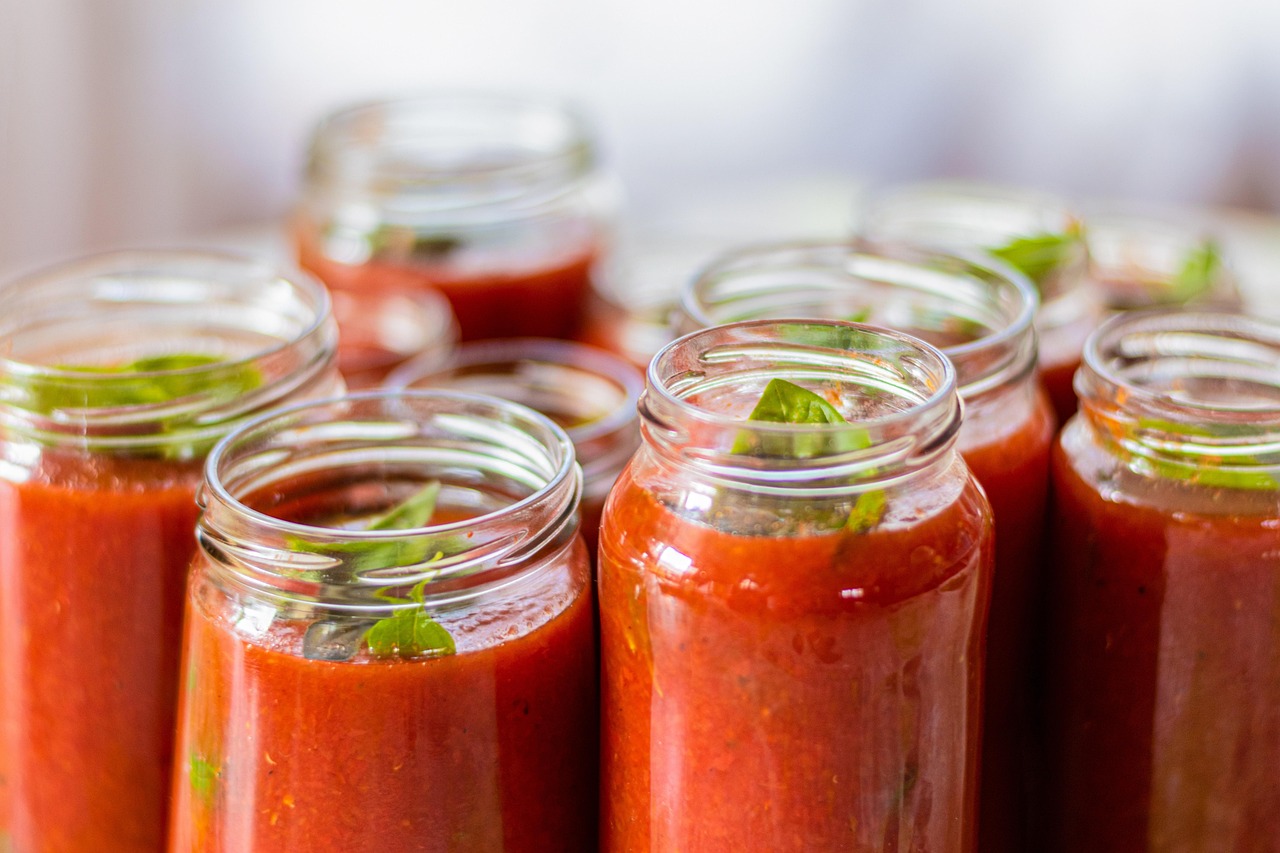
For preserving, I like to freeze the sauce in quart containers or freezer bags, which is the easiest and safest method for home cooks. If you prefer shelf-stable jars, you can water-bath can the sauce with added lemon juice or citric acid to ensure acidity, following a tested recipe from a reliable source like the National Center for Home Food Preservation. Either way, you'll be grateful for that taste of August in the middle of January.
Ways to Use It
This sauce is endlessly versatile. Use it as a base for pasta, spread it on homemade pizza, simmer meatballs in it, or stir it into soups and stews. I also like to reduce a portion further with a splash of red wine for a richer, more concentrated sauce to serve with polenta or roasted vegetables. A spoonful stirred into a bowl of white beans with olive oil and rosemary is a simple, deeply satisfying winter meal.
Making sauce from your own tomatoes, or from a box of seconds from a local farm, connects you to the rhythm of the seasons in a tangible way. It's a small act of defiance against the bland, out-of-season produce that fills supermarket shelves in winter. And when you open a jar on a cold night, the smell alone is worth the effort.